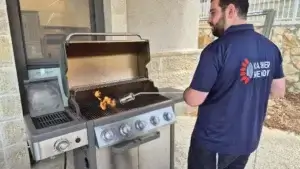

Stage 1: Kitchen Assessment
Before kashering begins, the kitchen is reviewed to determine:
Which surfaces and appliances require kashering
The material of each item
How each item was used (hot, cold, direct heat, or with liquid)
Whether the kashering is for year-round use or for Pesach. For specific guidelines regarding holiday preparation, read more about our Pesach & Year-Round Kitchen Kashering Services.
Stage 2: Thorough Cleaning (Preparation)
All items must be completely clean before kashering.
This includes:
Removing all food residue, grease, and buildup
Cleaning cracks, seams, corners, and hidden areas
Ensuring appliances are free of residue inside and out
Cleaning is a required preparation step. Kashering cannot be performed on dirty surfaces. For step-by-step cleaning instructions, see our complete guide on How to Kasher Your Kitchen.
Stage 3: Waiting Period (When Required)
In many cases, a 24-hour waiting period is required between the last use with hot food and the kashering process.
This depends on prior usage and halachic requirements.
Stage 4: Kashering by the Appropriate Halachic Method
Each item is kashered using the method that corresponds to how it absorbed taste:
Hag’alah (Boiling Water)
Used for items that absorbed taste through hot liquid, such as:
Metal utensils
Pots
Certain sinks
Irui (Pouring Boiling Water)
Used for:
Countertops
Sinks (depending on material)
Boiling water is poured directly over the surface, often together with a heated stone to maintain boiling temperature.
Libun (Direct Heat)
Used for items exposed directly to fire or intense heat, such as:
Stovetops
Grates
Certain oven components
The level of libun required depends on prior use.
Appliance-Specific Kashering
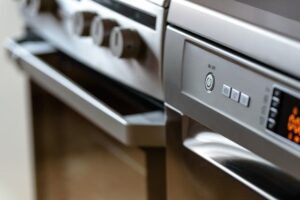
Ovens: Kashered according to halachic guidance and oven type
Cooktops: Kashered according to their usage and construction
Sinks: Kashered based on material and use
Dishwashers: Require specific procedures and halachic approval
Items that cannot be kashered must be replaced or properly covered.
Stage 5: Covering (When Required)
For Pesach or for materials that are difficult to kasher, countertops and other surfaces may be covered with suitable, heat-resistant coverings to create a halachically acceptable surface.
Stage 6: Final Verification
After kashering:
All surfaces and appliances are reviewed
The kitchen is confirmed to meet halachic standards
The kitchen is approved for kosher use
Only after this verification is the kitchen considered fully kashered. To ensure nothing was missed during inspection, check out What Most People Overlook when kashering a kitchen in Israel.
Frequently Asked Questions
Why do we need the Kitchen Assessment (Stage 1) before we start?
Every kitchen is a little different. Before we begin, we check what each surface is made of and how it has been used – whether it was exposed to hot food, boiling liquids, direct heat, and so on. This helps us know exactly which kashering method is right for each part of the kitchen.
Can we skip the 24-hour waiting period (Stage 3) if the kitchen is cleaned really well?
No. Cleaning and the 24-hour waiting period serve two different purposes. Cleaning removes food and residue from the surface, while the waiting period allows absorbed flavor to weaken before the kashering process begins.
How does the mashgiach know whether to use Hag’alah, Libun, or Irui in Stage 4?
It depends on how the item was used. For example, items that were exposed to direct fire may require Libun, items used with hot liquids may require Hag’alah, and surfaces that had hot liquids poured over them may require Irui. The mashgiach checks each item and determines the appropriate method.
When is covering used instead of kashering?
Some surfaces cannot be kashered properly with heat, or may require additional protection. In those cases, covering can be the right solution. The mashgiach will determine which surfaces need to be covered and what type of covering is appropriate.
What happens during the final verification (Stage 6)?
Before we finish, the mashgiach goes through the kitchen one last time. We make sure everything was properly cleaned, the correct kashering methods were used, and any required coverings are in place. Once everything is checked, the kitchen is ready for kosher use.

Nachman Harris. Kosher Expert.
Available for any of your questions